Overview
Hyperpigmentation & Hypopigmentation Treatment
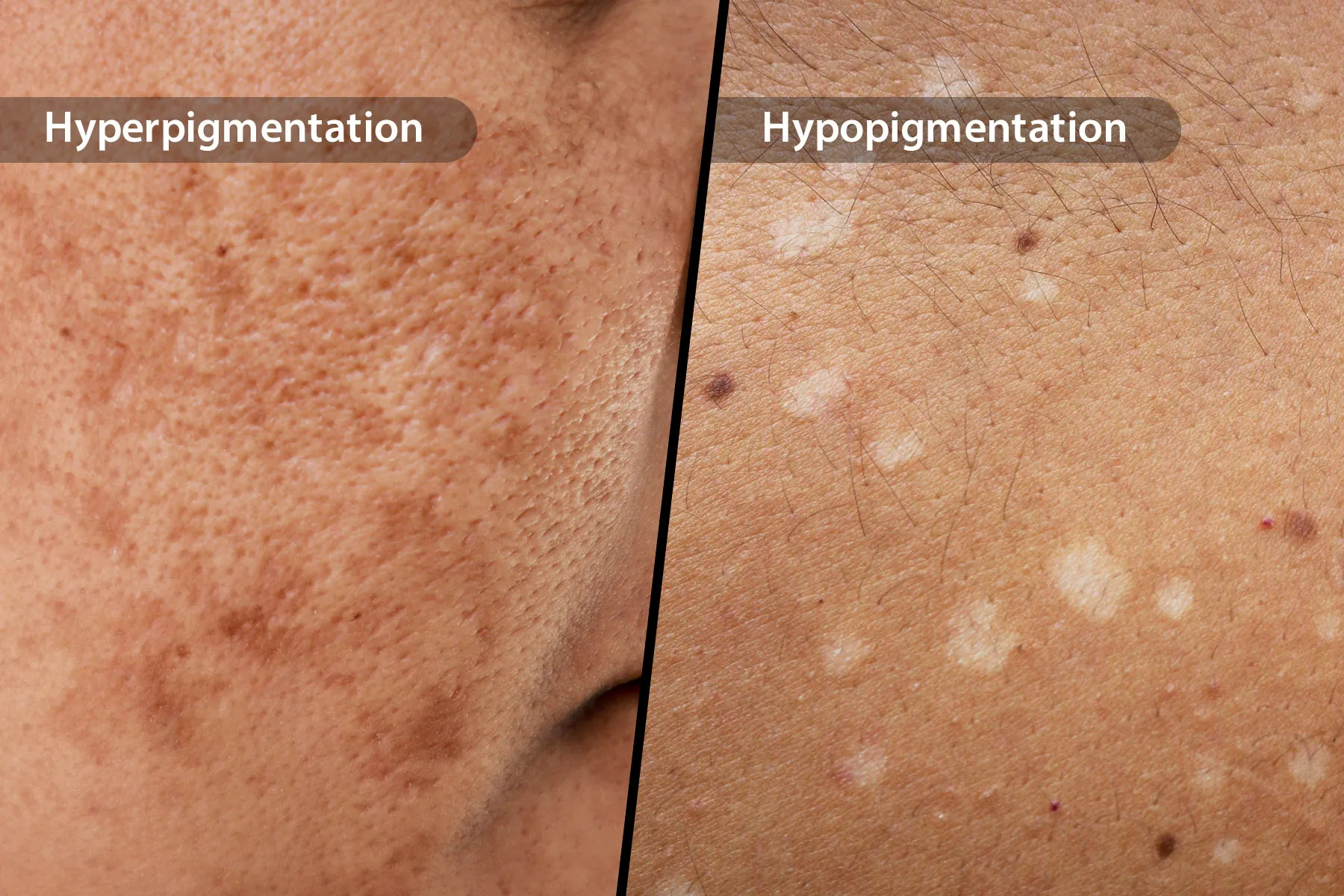
Pigmentation disorders — whether darkening (hyperpigmentation) or lightening (hypopigmentation) of the skin — can occur due to sun exposure, hormonal changes, post-inflammatory responses, injury, or genetic factors. Conditions such as post-inflammatory hyperpigmentation, vitiligo, and uneven skin tone are common concerns that benefit significantly from expert dermatological care.
What We Treat
Conditions & Treatments
Thorough evaluation to determine the type and underlying cause of pigmentation
Dermoscopic assessment for precise diagnosis and depth classification
Diagnosis and classification of hypopigmentation disorders — vitiligo, post-inflammatory hypopigmentation, pityriasis alba, and chemical leukoderma
Medical-grade topical depigmenting and repigmenting agents
Topical calcineurin inhibitors (tacrolimus, pimecrolimus) to stimulate repigmentation in vitiligo and post-inflammatory hypopigmentation
Chemical peels targeting specific pigmentation depths
Laser and light-based therapies for stubborn or resistant pigmentation
Narrowband UVB (NB-UVB) phototherapy for vitiligo and widespread hypopigmentation
Surgical repigmentation for stable vitiligo — melanocyte transplantation and punch grafting
Cosmetic camouflage guidance for depigmented patches during the repigmentation process
Sun protection counselling and customised skincare regimen
Our Approach
How We Treat
Dr. Neha Athalye uses a targeted approach to pigmentation disorders, beginning with an accurate diagnosis of the underlying cause. Treatment is customised based on the type, location, and depth of the pigmentation and may involve a combination of topical agents, chemical peels, and laser therapies. Patient education on sun protection is a key component of every treatment plan.
Book a consultation with Dr. Neha Athalye to discuss your personalised treatment plan.
Why Choose DermcareMD
Key Benefits
More uniform, even skin tone
Visible reduction in dark spots and patches
Treatment tailored to your specific pigmentation type and cause
Preventive strategies against future pigmentation
Common Questions
Frequently Asked Questions
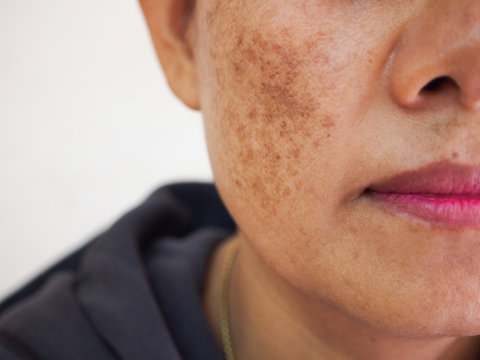
Hyperpigmentation is darkening of the skin due to excess melanin (e.g. dark spots, melasma), while hypopigmentation is lightening or loss of skin colour (e.g. vitiligo, post-inflammatory lightening). Both are treatable.
Yes. Dr. Neha Athalye offers multiple treatment options for vitiligo including topical calcineurin inhibitors, narrowband UVB phototherapy, and surgical melanocyte transplantation for stable vitiligo.
Treatment duration depends on the type and depth of pigmentation. Superficial hyperpigmentation may improve in 4–8 weeks, while deeper conditions like dermal melasma or vitiligo may require several months of consistent treatment.


Book Your Consultation
Get expert, personalised care for your hyperpigmentation & hypopigmentation treatment concerns with Dr. Neha Athalye at DermcareMD.
Serving patients from Kothrud, Bavdhan, Karve Nagar, Warje, Paud Road, Deccan & surrounding areas in Pune.